
Fertilizing Aglaonema with MSG: Does It Really Work?
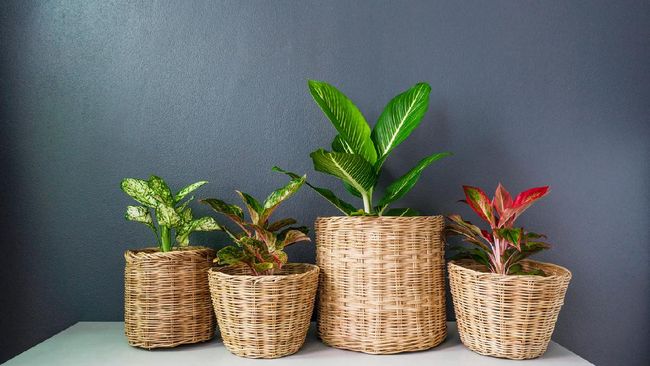
cara merawat aglaonema. Foto: Haibunda.com
(2021/05/cara-merawat-aglaonema.jpeg)Growing all kinds of ornamental plants became a popular activity during the coronavirus, or Covid-19, pandemic. One ornamental plant that went viral and became a trend is the aglaonema. In Indonesia, the aglaonema is known as sri rejeki. It is also known as the Chinese evergreen.
The plant's main appeal lies in its beautiful colorful leaves with a wide variety of patterns. Aglaonemas generally have pinnately veined leaves. Because the plant is so captivating, many varieties of aglaonema have been developed with very attractive looks. Today, aglaonemas come in many leaf colors, shapes, and sizes, making them very different from their natural species.
In Indonesia, there are 12 types of aglaonema that are widely grown: Bidadari, Pride of Sumatra, Moonlight, Adelia, Legacy, and Claudia, as well as Lipstik, Widuri, Cinta, Red Kochin, Tiara, and Red Ruby.
The aglaonema's beauty hasn't just gone viral in Indonesia or Southeast Asia, but in other parts of the world as well. In Europe and the United States, this plant has long been known as an indoor ornamental plant. However, aglaonema fans in Europe and the United States have different tastes from those in Asia.
Aglaonema fans in Europe and the United States are said to prefer green or mostly green aglaonemas, while aglaonema lovers in Asia tend to prefer brightly colored types, such as orange, yellow, or red.
MSG Isn't Suitable as Fertilizer for Aglaonema
Caring for ornamental plants always involves using fertilizer to keep them healthy and beautiful. One ingredient often used as fertilizer for ornamental plants is micin, or MSG.
MSG contains potassium and sodium, both of which are considered good for plant growth. However, not all plants are suited to MSG as a fertilizer, including some types of aglaonema.
MSG isn't suitable for aglaonemas whose leaves aren't green or aren't mostly green. MSG can make a plant's leaves greener and brighter, so any colors other than green will fade and be overpowered.
Using MSG as fertilizer is good for aglaonemas or other ornamental plants with green leaves, because it makes the green of their leaves brighter and more vivid.
There's nothing wrong with using MSG as fertilizer. MSG contains several nutrients plants need, such as sodium, which helps keep the soil moist; nitrogen, which stimulates leaf and root growth; and potassium, which can boost photosynthesis and plant metabolism.
MSG can also help flowers on ornamental plants grow larger. So MSG is actually better suited as a fertilizer for flowering ornamental plants. It's very effective at encouraging flowers and making them fuller and more abundant on both ornamental plants and food crops.
The Most Effective Fertilizer for Aglaonema
If you want your aglaonema to sprout new shoots quickly and grow healthy, fertilizing is one of the most important factors. Instead of using MSG, it's better to use a fertilizer made for aglaonemas, such as Growmore fertilizer.
As reported by Kompas.com, the fertilizer used to help aglaonemas sprout shoots quickly is Growmore fertilizer with a 32-10-10 composition. Growmore 32-10-10 is a foliar fertilizer made in the United States and distributed by Nusa Tani in Jakarta. It is licensed by the Indonesian Ministry of Agriculture.
Growmore 32-10-10 is a compound fertilizer, meaning it contains more than one nutrient. The 32-10-10 composition shows what it contains: 32 percent nitrogen, 10 percent phosphorus, and 10 percent potassium.
With its 32 percent nitrogen content, this fertilizer supports maximum vegetative growth, helping leaves and new shoots grow faster. Phosphorus is used for root and stem growth, while potassium is used for generative growth, or flowering.
Here's how to apply Growmore 32-10-10 fertilizer to speed up new shoots and help your aglaonema grow healthy:
Put 2 grams, or half a teaspoon, of Growmore 32-10-10 fertilizer into a spray bottle. The recommended dose is usually 2 grams of Growmore per 1 liter of water. You can increase the dose if your aglaonema shows signs of nutrient deficiency, such as slow growth, few leaves, and new shoots that are slow to appear.
Add 1 liter of water to the Growmore 32-10-10 fertilizer in the spray bottle and let it dissolve.
Once it's dissolved, spray the Growmore 32-10-10 solution evenly onto your aglaonema's leaves and stems. Spray in the morning or late afternoon: from 6–7 a.m. in the morning, or starting at 5 p.m. in the afternoon.
Spray every part of the plant with the Growmore solution, from the leaf tips to the base of the stem. Also spray the growing medium until it's evenly wet.
For best results, spray the Growmore 32-10-10 solution once every 5 days.
Insecticide Chalk Can Keep Ants Away from Your Aglaonema
One pest that often bothers aglaonemas and shows up easily is ants. If ants are left on your aglaonema, they won't just damage it but can also kill the plant.
Now you don't have to worry if ants and other small insects are bothering your aglaonema. As reported by Kompas.com, ants and other small insects that pester aglaonemas can be killed with an insecticide that's easy to find and budget-friendly: kapur ajaib, or "magic chalk."
Magic chalk is a familiar household product for killing and repelling ants and other insects. You may never have thought that it could also keep ants and other insects off your aglaonema.
It's very easy to use. Just draw lines with the chalk or sprinkle it around your aglaonema's pot. Applying the chalk around the pot or on the outside of the pot keeps ants and other crawling insects from getting near it, so they can't climb onto your aglaonema and attack it.
Magic chalk lasts for two days, so you can reapply it around your aglaonema every two days. You can also redraw the chalk lines around the pot after it rains.
However, keep this in mind: never sprinkle magic chalk on the growing medium or soil where your aglaonema grows. It's an insecticide, so it's harmful to your aglaonema and can damage it. (*)