
Get Inspired to Start Farming with the Success Story of a Chili Farmer
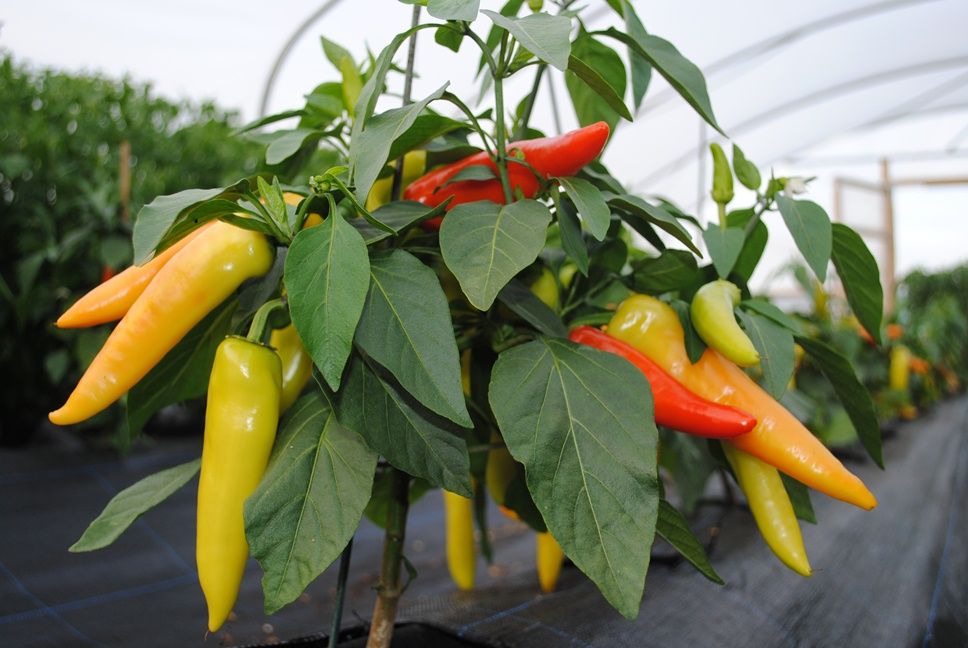
Bercocok Tanam Lewat Kisah Sukses Petani Cabai. Foto: justchillies.co.uk
(2021/05/Bercocok-Tanam-Lewat-Kisah-Sukses-Petani-Cabai.jpg)Bird's eye chili, or Capsicum annuum "bird eye," often also called orange or red rawit, is the chili most loved by Indonesians from Sabang to Merauke. So it's no surprise that this type of bird's eye chili sells at the highest price.
Ahead of Ramadan, during the rainy season, or in the run-up to holidays, its price usually soars, once reaching Rp200,000 per kilogram at traditional markets in several regions, such as Jakarta, Palembang, and Bandung. In Eastern Indonesia, where prices of basic necessities are even higher, chilies are of course sold at sky-high prices too.
For most Indonesians, chili is a cooking spice that can't be replaced by any other commodity. People who love spicy food naturally go for bird's eye chilies, while those who like medium heat just add curly red chilies.
The Chili Farmer Who Suddenly Got Rich
Supeno, a member of the Sumber Rejeki Farmers Group in Mojokerto, says he earned Rp170 million from harvesting 1 hectare of bird's eye chilies.
He used the money to cover all kinds of needs, from paying off debts to buying a vehicle and gold.
"Yes, now a lot of us can save. Some bought motorcycles, cows, gold, and even cars from this season's harvest. Thank God my fellow farmers could pay off their debts. As for me, I made Rp170 million and was able to buy a car," he said, as quoted by liputan6.com some time ago.
Saimin shared a similar story, saying the price of the harvest rose significantly every week. It started at Rp50,000/kg at the beginning of the harvest in January, then rose by Rp10,000/kg each week.
At its peak, the chili price topped Rp100,000/kg before dropping back down to Rp30,000 per kg. "I predict the price will fall again because other regions are starting to harvest," he explained.
Growing Chilies at Home for Beginners
While chili farmers are happy that their hard work is paying off, consumers are crying out because they can't afford chilies at such sky-high prices.
As a result, chili lovers have had to cut back on their spicy favorite. Erni, who usually buys 1 kg a week, says that when chilies are expensive she can only afford 1/4 kilogram.
"Other basic necessities are expensive too, so cutting back on chilies is the option, even though it's hard. If food isn't spicy, it feels like I haven't eaten at all," said the Palembang resident recently.
So how can you get all the chilies you need without paying high prices? Start growing them yourself. It's not difficult and doesn't take up much space, as long as you care for the plants patiently.
As reported by the Makmur Farm YouTube channel on Friday (26/2/2021), here's how to grow bird's eye chilies for beginners.
- Prepare soil as the growing medium.
Soil is the main medium for growing chilies, but if you'd like to try a hydroponic system, you can also do that in your yard. - Prepare the bird's eye chilies.
Cut open the bird's eye chilies and take out the seeds to sow later. - Next, prepare a plant pot.
Take a small pot with a drainage hole at the bottom and cover the hole with a small stone. - Prepare soil, organic fertilizer, or compost.
Prepare 70 percent organic fertilizer and 30 percent sandy soil, then mix them together. This potting mix will easily give you a germination rate of 90 to 95 percent. - Water the soil and add the bird's eye chili seeds.
Water the soil so it's moist. Then sprinkle the bird's eye chili seeds evenly over the surface of the soil mix in the pot, making sure the seeds don't overlap. Cover the seeds with another layer of the same soil mix. - Water and store the bird's eye chili seeds.
Water the seeds you've planted in the soil mix in the pot. Then keep the pot in a partly shaded spot, under shade netting, or in indirect sunlight for 8–12 days. The bird's eye chili seeds will start to germinate after 8–12 days. - Once the leaves start to grow, water them again using a plastic drinking bottle with holes poked in the cap.
- Transplant the bird's eye chili plants after 25 days.
Once the plants have 3–4 true leaves (after 25 days), move them to another pot with fresh growing medium so they grow quickly. - Prepare a new growing medium.
Bird's eye chili plants need a new growing medium made of 50 percent garden soil, 30 percent organic compost, and 20 percent coconut coir or cocopeat. Put this growing mix into a larger pot. - Move the bird's eye chili plants into a large pot for better growth.
Dig a small hole in the pot slightly deeper than the seedling's root ball. Space the bird's eye chili seedlings about 6–7 inches apart. Then water again until the soil is moist to prevent transplant shock. - Leave them for 2–3 days.
Keep the pot out of direct sunlight, and water only when the top of the soil feels dry to the touch. - After 3 days, trim the bird's eye chili plants.
Just cut off the top leaves to force the plant to grow lots of side stems. - Care for the plants for the next 20 days.
In just a few days, the plants will become bushier and bushier. Each plant will have more than 10–12 side stems. - Keep up regular care for 143 days or more until the bird's eye chili plants bear fruit.
This plant really needs sunlight. At least 5–6 hours of sun every day is essential for bird's eye chili plants to grow well. - Shake the chili plants.
Bees usually pollinate them, but the plants can fail to pollinate on their own. Gently shaking the flowers will help make sure fruit forms.
If organic fertilizer isn't an option for any reason, you can replace it with fertilizer made by PT Pupuk Kaltim. NPK Pelangi with a 16-16-16 composition is perfect for helping horticultural plants grow healthy and produce a quality harvest.
Chili Prices Often Rise
The Ministry of Agriculture (Kementan) says chili prices at the farm level have stabilized. The recent price increase was reportedly because the harvest season hadn't yet begun in several regions.
The price of bird's eye chilies at the farm level, which had reached Rp100,000 per kilogram, has now dropped back to Rp30,000 per kg.
Prihasto Setyanto, Director General of Horticulture at the Ministry of Agriculture, said chili prices are now back to normal.
"The recent rise in chili prices was because the main production areas hadn't entered the harvest season yet," he said.
Farmers have also been saving money, just in case prices drop next harvest season because of an abundant crop.
Even though prices have fallen, farmers are quite happy, since the profits they made while prices soared were enough to cover their losses from the previous harvest season. It even went viral that farmers were buying up motorcycles and cars after prices spiked starting in late January.