
Growing California Papaya Is Easy: Use This Fertilizer for an Abundant Harvest
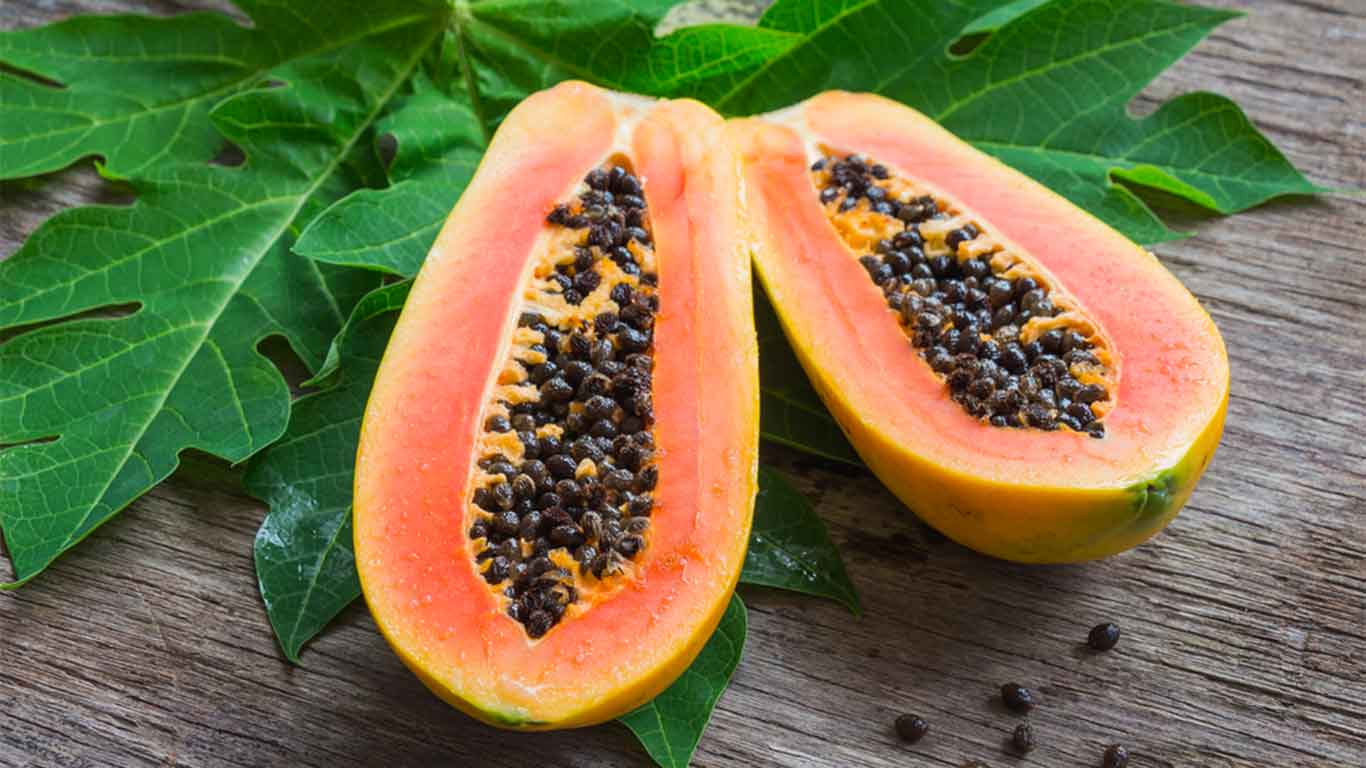
cara menanam Pepaya California. Foto: Pinterest
(2021/05/papaya-california.jpg)California papaya first became known in Indonesia about 10 years ago. Many people assume this highly nutritious fruit comes from the United States, and its name is indeed the same as one of the states in the land of Uncle Sam.
In fact, this papaya is a superior variety bred by the PKHT team, or Center for Tropical Horticulture Studies, at Bogor Agricultural University (IPB). It's named Calina, and its Latin name is Carica papaya L.
So why is it called California papaya? It turns out it was just a trick by papaya sellers to make this sweet, low-seed Indonesian fruit easier for people to recognize. Sure enough, California papaya isn't just popular because people think it's imported. Fruit lovers enjoy it because it's sweeter than other types and isn't too big or heavy.
Farmers in many parts of Indonesia have been growing California papaya since 2012, not only in Java but also in Sumatra, such as on the outskirts of Palembang. The trees bear plenty of fruit and can be harvested regularly, which makes farmers happy to grow this papaya.
Andi, a California papaya farmer in Talang Jambe, Palembang, says he has 150 of these papaya trees. "Caring for this plant is very easy. As long as you make sure the soil stays moist and give it enough fertilizer, it will keep producing fruit," he said.
He says that every week, at least 200 kilograms of papaya from his orchard are sold to buyers who come straight to the orchard, which is not far from his home.
The buyers are usually fruit sellers who resell the fruit, which is rich in vitamins A, B, and C and other nutrients that are good for the body. At the orchard, California papaya sells for Rp4,000 per kilogram, while at the market it usually goes for Rp7,000/kg.
California papaya has become more popular than Bangkok papaya, which used to be the favorite among papaya fans and farmers alike.
Growing California Papaya at Home
Want to try growing California papaya in your yard? Of course you can. This plant grows easily in lowlands to mid-altitude areas at 0–700 meters above sea level. The growing medium should be soil mixed with a little sand.
Papaya can grow well even in city yards, as long as its needs are met: enough water, plenty of sun, and good care.
The website paranet99.com explains how to help California papaya grow healthy and produce an abundant harvest. The temperature of the land greatly affects how California papaya grows, so it needs special attention. The ideal temperature for growth is 25–30 degrees Celsius, with rainfall of 1,000–2,000 mm per year. California papaya does well in air humidity of around 40%, with a soil pH of about 6–7. Here are the steps for growing California papaya.
Preparing Seedlings
Choosing the right seeds is very important for getting superior seedlings that resist pests. Choose seeds from California papayas that have ripened on the tree, are healthy, and are free of pests. Here are the steps for sowing California papaya seeds.
Soak the California papaya seeds in water overnight. The next day, keep the seeds that have sunk and throw away the ones that float. Then wrap the seeds in damp newspaper or cloth for about a week, always keeping the newspaper or cloth moist.
After a week, the California papaya seeds are ready to be sown in a polybag. You can sow them in a polybag or pot, using a growing medium made of fine soil mixed with compost or manure in a 2:1 ratio.
Once the growing medium is ready, put the seeds into the soil, cover them with soil, and water them just enough. Keep the seedlings in a sunny spot until they're 1–1.5 months old. Then the California papaya seedlings are ready to be planted in a larger area.
Preparing the Planting Area
Prepare the planting area by loosening the soil by plowing or hoeing to balance the nutrients in the soil, and clear away weeds. Make raised beds so water doesn't pool around the plants. Dig planting holes about 50 cm in size, spaced about 2.5 × 2.5 meters apart. Then fill the holes with a mix of soil and manure or compost, but don't fill them all the way to the top. Water just enough until the soil looks moist.
Planting
You can plant the California papaya seedlings directly in the holes you've made, one seedling per hole. Plant them in the late afternoon, since that's the best time to plant California papaya seedlings without disrupting the plant's photosynthesis.
Maintenance and Care
- Watering
Watering is very important for California papaya plants, but don't overwater to the point that water pools around the growing medium. This can harm the plant, because the trunk can rot easily if it gets too much water, and this also affects the fruit. So water your California papaya regularly until the soil looks moist, but don't overdo it. - Fertilizing
Fertilize regularly to keep both the soil and your California papaya plants healthy. Use 500 grams of NPK Pelangi fertilizer for each papaya tree. Once your California papaya starts to bear fruit, you can add KCl fertilizer. - Pruning
Prune dry or dead shoots and branches so the plant can grow better. Adjust this process to the condition of your California papaya plant.
Harvesting
You can start harvesting when your California papaya plants are about 8–9 months old. You'll know the fruit is ripe when the skin starts to turn yellow. Harvest by cutting the fruit stalk, then store the fruit on a bed of straw so it doesn't get bruised. California papaya can usually be harvested 4 times a month.
What are you waiting for? Let's grow California papaya in our yards and enjoy fruit from our own plants when the time comes.