
Into Growing Bonsai? Here Are Pot Ideas That Make Your Home More Aesthetic
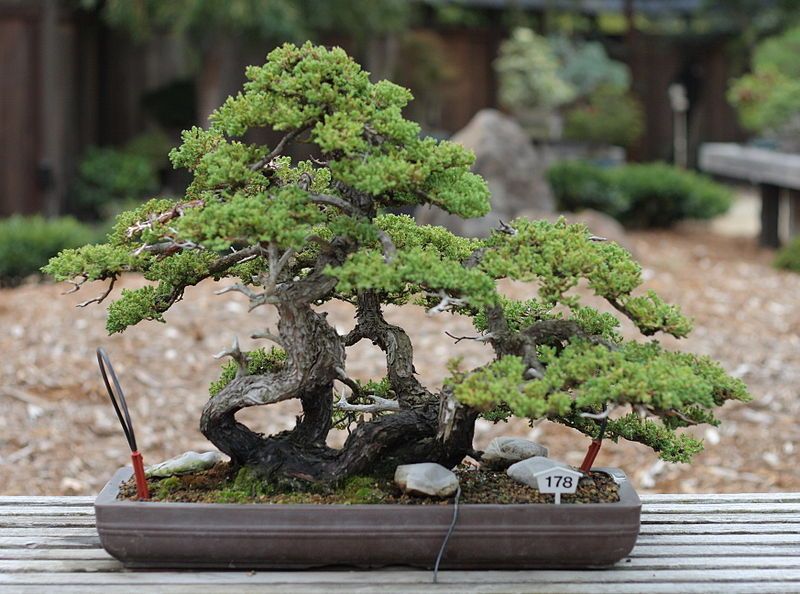
rekomendasi pot untuk tanaman bonsai. Foto: Pinterest
(2021/05/rekomendasi-pot-untuk-tanaman-bonsai.jpg)Bonsai is the art of growing trees that first appeared in China, where it was called Penzai or Penjing. Bonsai is known as the art of growing miniaturized trees in a shallow pot. Taken as a whole, a bonsai is a miniature copy of a beautiful old tree in the wild.
Bonsai is also often called the art of pruning trees so they stay small through a process called training (refining the tree's shape). Training is an important part of growing a bonsai throughout the tree's entire life. That's why getting the perfect bonsai shape takes a long time, along with creativity, patience, and dedication.
The word bonsai comes from Japanese: bon means pot and sai means tree. During the Yuan dynasty, around 1280–1368 AD, many Japanese officials and merchants in China brought bonsai back home as souvenirs. Over time, bonsai became widely known as coming from Japan, because Japan was the country that popularized this art and technique of growing trees around the world.
Types of Bonsai Plants and Their Prices
Many types of plants can be made into bonsai, and each one varies in price. Here are some plants that can be grown as bonsai, along with their prices, according to gdmagri.com:
- Coconut Bonsai
Coconut bonsai is quite popular among ornamental plant lovers, especially bonsai fans. It takes extra patience to create and care for this type of bonsai, which is why the most expensive ones can sell for around Rp5 million. However, you can buy starter plants for Rp50,000–Rp500,000. - Serut Bonsai
Serut bonsai has its own distinctive features and is very popular among bonsai fans. A fully shaped serut bonsai can be quite expensive, ranging from Rp2.5 million to Rp50 million, but starter plants can cost as little as Rp100,000. - Banyan Bonsai
Banyan trees adapt very well, since they can survive up to 2 weeks without sunlight. With good care, a banyan bonsai can have high aesthetic value. Banyan bonsai starter plants cost Rp50,000–Rp300,000, while finished ones can cost millions of rupiah. - Tamarind Bonsai
Compared with banyan bonsai, tamarind has fewer leaves but still looks lush. Its trunk is also smaller than a banyan's. This type can cost anywhere from Rp700,000 to millions of rupiah. - Bougainvillea Bonsai
Bougainvillea bonsai grows well in dry soil with full sun and regular fertilizing. This type of bonsai costs anywhere from Rp50,000 to hundreds of thousands or even millions of rupiah, depending on how beautiful it is. - Cemara Udang Bonsai
This type of bonsai is only well known in certain circles, since bonsai lovers see it as an elite plant. Cemara udang bonsai starter plants can cost anywhere from Rp700,000 to millions of rupiah. - Anting Putri Bonsai
The price of an anting putri bonsai depends on its age and beauty. A well-shaped anting putri bonsai once sold for as much as about Rp25 million, while starter plants cost from hundreds of thousands of rupiah. - Dollar Banyan Bonsai
In the world of ornamental plants, the dollar banyan is considered a premium plant and is commonly made into bonsai. A dollar banyan bonsai can give its owner an elite image, since even a small one can cost up to Rp2 million. A finished dollar banyan bonsai can be quite expensive, ranging from Rp20 million to Rp50 million. - Frangipani Bonsai
Frangipani trees are often made into bonsai, but only the Japanese frangipani can be grown this way, because it grows to a maximum height of about 2 meters. That's what makes it suitable for bonsai, and its swollen trunk is its signature feature. Frangipani bonsai can cost anywhere from Rp400,000 to millions of rupiah, depending on how beautiful it is. - Adenium Bonsai
Among bonsai lovers, the adenium is arguably the star. Its beauty lies in the shape of its swollen base, its striking flower colors, and its distinctive fragrance. This type is more expensive than the others. A finished adenium bonsai can cost millions or even hundreds of millions of rupiah.
Benefits of Bonsai Plants
Bonsai is one of the more expensive ornamental plants because of its high artistic value. Besides decorating a room or garden to make it look more aesthetic, bonsai also offers health and psychological benefits for the people who create and own them. Drawing on various sources, here are some of the benefits of bonsai plants:
- Relieves Stress
Bonsai growers often spend time with their bonsai to unwind, because observing and shaping bonsai can help calm the mind. People who simply enjoy bonsai can feel the same way: admiring a bonsai's unique beauty can relieve stress after a long day at work. - Improves Air Quality
Keeping bonsai indoors or outdoors helps improve air quality, which can boost your energy so you can concentrate, stay productive, and feel better. - Meets Emotional Needs
The art of bonsai can meet the emotional needs of the people who create them, because it brings a sense of satisfaction after a long process. Bonsai owners can also learn to appreciate art more and get more in touch with their emotions. For example, someone who is angry, sad, or anxious can cheer themselves up by looking at a beautiful bonsai. - A Form of Recreation
Bonsai can be a source of entertainment or recreation for anyone, whether they already know about bonsai or not. The art of a beautifully shaped bonsai has a special appeal for many people, because no two bonsai are ever the same, in type or in shape. - A Lifelong Companion
With the right care, a bonsai can be a lifelong companion. Bonsai trees can live for decades or even longer. Many ancient bonsai displayed around the world have lived for hundreds of years, with the oldest believed to be over 800 years old. The bonsai you care for today could become an heirloom, passed down in your family and treasured by future generations. - Shows Your Lifestyle
Besides being a hobby and a form of recreation, for some people bonsai is also a way to show their social status or lifestyle to others.
How to Care for Bonsai
Bonsai plants need good care so you can keep enjoying their beauty. You certainly don't want your bonsai to lose its beauty or even die from neglect. According to bibitonline.com, here are some ways to care for bonsai and keep them alive:
- Watering
In the rainy season, water your bonsai in the morning and afternoon. When watering, make sure the water drains out through the hole at the bottom of the pot. This shows that the hole isn't blocked. If the bottom of the pot is blocked, the bonsai can develop root rot and will most likely die.
In the dry season, water more often, and don't forget to wet the leaves too. After wetting the leaves, keep the plant out of direct sunlight, as this can scorch them. The water you use should be clean, clear, odorless, and pH neutral. You can use rainwater or groundwater for your bonsai.
- Fertilizing
Fertilizing a bonsai is different from fertilizing plants grown in a garden or yard. You need to get this right, because the wrong fertilizer can make a bonsai grow too vigorously or not vigorously enough. Once a bonsai changes size, it loses the artistic value that comes from being small and unusually shaped.
Bonsai fertilizer can be made from a combination of organic materials such as chicken or goat manure. If these are hard to find, look for fertilizer ingredients that at least provide macronutrients such as nitrogen (N), phosphorus (P), and potassium (K) in the right ratio for your bonsai. Besides these three vital nutrients, bonsai also need other elements such as magnesium (Mg), copper (Cu), iron (Fe), sulfur (S), and lime.
In Indonesia, many bonsai fans use NPK or urea fertilizer, of course in the right dose for the bonsai tree. Fertilize at least once a month. Besides fertilizing the plant itself, you should also apply foliar fertilizer at least three times a month. When using a compound fertilizer on bonsai, consider the condition of the plant. If the bonsai is losing its leaves, the concentration of N and K should be higher than P. For bonsai that are fruiting or flowering, increase the concentration of P.
- Weeding and Pruning
Sometimes weeds grow around a bonsai and get in its way by taking nutrients from the soil. That's why weeding is another important part of bonsai care. Remove unwanted grass and weeds as early as possible.
You can weed simply by pulling them out by hand. If you don't want weeds growing around your bonsai, try placing green moss on top of the soil. Moss on the growing medium can prevent grass and weeds from growing. You can collect moss from the edges of ditches or drains, and sometimes from fences. Besides preventing weeds, moss can also show how moist the soil is. If the moss turns brownish, the soil isn't moist enough and needs watering.
After weeding, you also need to prune the trunk, branches, twigs, and leaves to keep your bonsai in good condition. Pruning shapes your bonsai according to your preferences, its needs, and its condition. If your bonsai grows quickly, prune it once a month. If it grows slowly, once every two or three months is enough.
- Replacing the Growing Medium and Cleaning the Roots
The nutrients in the growing medium won't nourish your bonsai forever. A growing medium left for too long can lead to many diseases. That's why you need to replace your bonsai's growing medium at least every few months.
Besides replacing the growing medium, you also need to clean up the roots, which over time spread out of the pot and restrict the flow of water and air into the soil. Root growth is a sign of a healthy plant, but if the roots grow too much and are left alone, the bonsai can suffer and die.
Replace the soil and prune the roots regularly. How often you do these two tasks depends on the type, age, condition, and size of the tree and its pot. In general, they need to be done more often for bonsai that fruit or flower quickly, and less often for those that don't. The key is to adjust to the age and size of the plant. The bigger and older the bonsai, the less often you need to replace its growing medium and prune its roots.
- Replacing the Pot
Replace the pot after you change the growing medium and clean the roots. The new pot should suit the size of the bonsai tree. A pot of the right size gives the bonsai room to grow. As for timing, you can replace the pot every second time you change the growing medium and prune the roots. - Pruning the Plant
To keep your bonsai looking attractive, maintain a harmonious pattern and shape in its crown. To do this, every part of the bonsai needs to be shaped by pruning. - Removing and Replacing Wire
When you first start shaping a bonsai, such as a banyan bonsai, the trunk needs to be shaped into the pattern you want by wrapping it with wire. Once the wire has sunk into the bark and successfully shaped the trunk, it needs to be removed. If it's left on, the wire marks will become very visible and the branches will be wounded.
When removing the shaping wire, do it carefully so you don't injure the branches or trunk. Once the wire is off, you can rewire the bonsai if its shape still isn't what you want or needs further refining.
- Placing Your Bonsai
Place your bonsai pot somewhere that gets enough sunlight, but not too much harsh sun. Don't place it somewhere very cold either, especially in the early stages of care, when the roots can be exposed to the sun because they sit in a thin layer of soil in a shallow container. Good spots for a bonsai are a porch, or a shelf with a transparent roof, such as white plastic, so it still gets sunlight. - Controlling Pests and Diseases
A bonsai looks attractive and beautiful when it's healthy. One factor that affects a bonsai's health is pests and diseases. Some of these troublemakers can be pets such as cats, chickens, and dogs, which might trample the bonsai.
There are also pests that attack the leaves or other parts, such as caterpillars, grasshoppers, ants, snails, termites, mites, aphids, and other insects. The pests that most often attack bonsai and multiply the fastest are aphids and mites.
Diseases that can attack bonsai include viruses, bacteria, and fungi. Viruses are a common problem for bonsai and can be carried to the plant by insect vectors.
Protect your plants from pests and diseases by spraying pesticides, bactericides, or fungicides, depending on how stubborn the problem is and what kind of pest or disease is attacking the plant.
Recommended Pots for Bonsai
The pot is one of the most important elements in a bonsai's beauty. A bonsai looks aesthetic when it's placed in the right pot. On the other hand, a bonsai's beauty won't show if it's in the wrong pot.
Choosing a bonsai pot is actually very easy: just pay attention to the shape and size of the plant. The pot should match the plant's shape and size. A good bonsai pot isn't one with a high price tag, but one that's the right size for the plant.
Here are some things to consider when choosing a pot for your bonsai, according to bibitbunga.com:
- Pot Shape
Bonsai pots come in many shapes. Some are geometric, such as rectangular, square, round, oval, hexagonal, or even octagonal. There are also irregularly shaped bonsai pots, such as island-shaped pots and pots that look like coral rock.
Bonsai pots also vary in their rims. Some are flat and straight, while others curve inward or outward. Because bonsai plants are very small, the pot also needs to match their shape and size.
- Pot Height
The height of the pot should also match the style of the bonsai. For example, a bonsai style with a slanted base works best in a low oval or rectangular pot.
Some bonsai are planted gripping a rock. For these, use a wide, shallow, thin pot so the rock stands out more than the pot. That way, the bonsai will look like a tree growing on a steep, rocky cliff.
- Pot Thickness
The thickness of the pot should also suit the bonsai. If the bonsai has an upright, straight base, you can use a pot with the same diameter as the base of the trunk. For bonsai styles that hang down slightly, use a tall pot so the bonsai doesn't droop all the way to the floor. - Pot Material
Bonsai pots are made from many materials, including wood, plastic, clay, coral rock, ceramic, porcelain, and cement. Porcelain pots are durable and very attractive, but they're also much more expensive than other pots. This was covered in a previous article on the pros and cons of different types of flower pots. - Pot Color
The color of the pot can also give a bonsai a different look. A dark green bonsai looks better in a dark green pot. A light green bonsai looks better in a brighter-colored pot. A bonsai with brightly colored flowers can be planted in a dark blue pot. (*)