
Regular Fertilizing Helps Chili Plants Live Longer
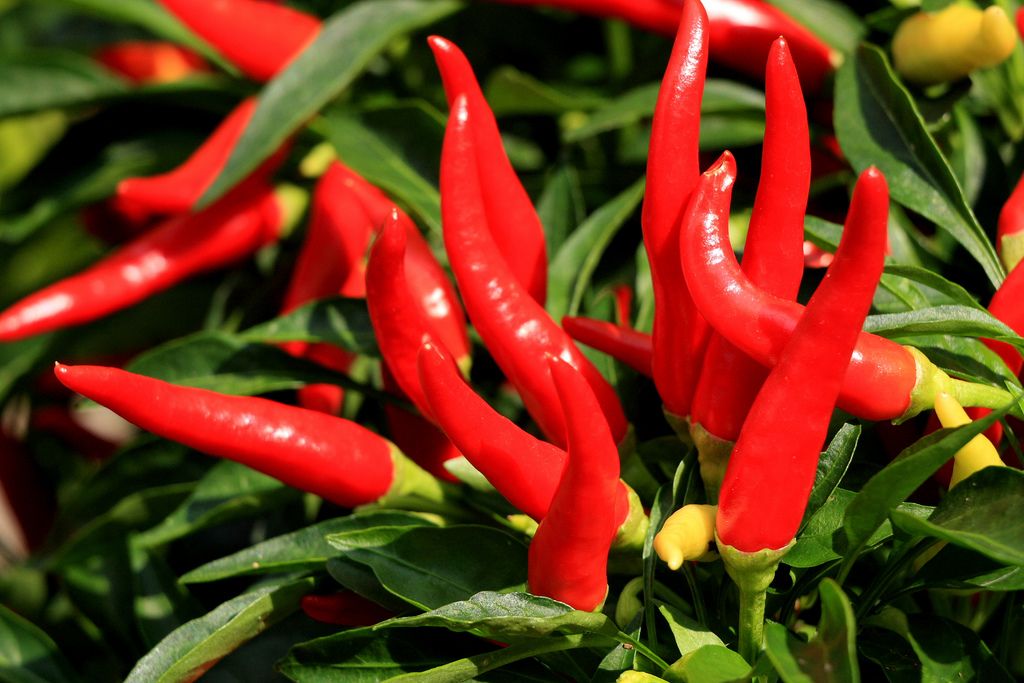
Pemupukan yang Teratur Bantu Tanaman Cabai Panjang Umur. Foto: flickr.com
(2021/05/Pemupukan-yang-Teratur-Bantu-Tanaman-Cabai-Panjang-Umur.jpg)Chili is a strategic horticultural commodity with a high selling price and nutrients that are good for your health. Besides being used as a kitchen seasoning, chili can also be used as a base ingredient for sambal, processed into dried powder, and used as an ingredient in medicine.
Here are a few tips to help chili plants grow and develop over a long period of time.
Keep the Growing Medium Moist
Chili plants need different amounts of water depending on the weather. In hot weather, water them twice a day. When there's a lot of rain, water them only as needed, since chili flowers and fruit drop easily if overwatered.
Clear Away Weeds and Pests
If you see weeds growing around your chili plants, remove them so the chilies can grow better. You should also prune the plants to control weeds by gently snipping off the shoot tips, which can be done once a month. If they aren't removed, weeds can reduce the nutrients available to your chili plants.
Monitor Your Chili Plants' Growth
Always keep an eye on your chili plants' health, including protecting them from pests that can make them rot or even die.
One way to prevent this is by spraying pesticide in the late afternoon, toward evening. But if the chilies have already started to rot, try treating them and adding extra fertilizer to help them recover.
Feed Your Chili Plants with Fertilizer
Fertilizer is the best source of nutrients for chili plants, especially compost, organic fertilizer, or manure. Apply fertilizer during the first two weeks after planting. After that, fertilize regularly once a month. For chilies grown in pots, you can place the fertilizer on the soil surface. For chilies planted directly in the ground, put the fertilizer into the soil near the plant's roots.
Basal fertilizing is done so that chili plants don't run short of nutrients from the vegetative stage through fruiting. To do this, adjust the dose to the current growing season.
For example, in the rainy season, you can use 400 kg of SP-36, 3 tons of dolomite, 150 kg of ZA, 400 kg of KCl, and 6 tons of manure. In the dry season, you can use 350 kg of SP-36, 200 kg of ZA, 350 kg of KCl, 2 tons of dolomite, and 5 tons of manure. Spread the fertilizer evenly over the surface of the raised beds, then mix it into the soil to a depth of 15–20 cm. Leave it for 2–3 weeks so it can blend in and break down into the soil. After that, you can cover the beds with plastic mulch.
In the rainy season, it's more effective to apply fertilizer by sprinkling it, while in the dry season it's better to apply it as a liquid drench. Farmers usually apply follow-up fertilizer when the chili plants are 10 days old, or once the roots have started growing in the new soil (have adapted).
Don't wait until your chili plants look thin and less green before fertilizing. The right time to fertilize chilies is once every 10 days, once the plants are ready to harvest.
Apply fertilizer as a drench, with the dose adjusted to the type of fertilizer, the age of the plant, and the environmental conditions. Using too much chemical fertilizer does make chili plants bear fruit faster, but it also has a downside: the plants tend to age too quickly.
That's why using organic fertilizer can be a solution for balanced fertilizing. PT Pupuk Kalimantan Timur (Pupuk Kaltim) has taken this step by developing a range of eco-friendly products. Its biofertilizers (Biotara and Ecofert) use high-performing microbial active ingredients with organic carriers (compost and humates) and minerals (zeolite).
Biotara is a biofertilizer that adapts well to acidic swamp soils and can boost crop productivity and the sustainability of land resources. Its advantages include improving the efficiency of N and P fertilizers, saving up to 25% of the standard NPK dose for swampland, and breaking down organic residue. As a next step, it's best to spray pesticides on chili plants only as needed and according to local conditions.
How to Pick Chilies So the Plants Don't Die Early
Besides fertilizing, it's very important not to pick chilies carelessly, because there's a technique to it. Careless picking can cause problems, such as damaging the flowers growing in the leaf axils, stunting overall growth, lowering the quality of the next harvest, and damaging new shoots, even killing developing fruit.
When harvesting chilies, pick the fruit with its stem attached so it keeps longer. Also harvest any chilies damaged by pests or disease so they don't become a source of disease for healthy plants.
Harvest in the morning, when the fruit is at its optimal weight and hasn't lost moisture to evaporation yet. Don't pull or yank chilies upward. Instead, twist them clockwise, because pulling upward can make the flowers drop before fertilization or pollination happens.
Also, repeatedly yanking chilies can lower fruit quality. Prioritize harvesting fruit that has ripened on the plant, and sort the fruit as you go. On chili plants that bear heavily, flowers sometimes grow tightly against ripe fruit. In that case, pick by gently twisting the fruit clockwise with your right hand so the stem joints and flowers don't fall off.
Although very productive, the chili plants farmers grow usually last about 6 months per growing cycle. In that time, they can usually be harvested only 16 times, or 20 times at most. After that, chili plants generally start to become less productive.
With the right cultivation technology and good growing experience, chili plants can stay productive for 18 months or longer, flowering and producing continuously without stopping.
The way to do this is to keep the area around the plants clean by weeding regularly. Weed any grass that starts growing on the chili beds or between the plastic mulch right away. Don't wait until the weeds get big, because the bigger they get, the deeper their roots grow, and they can seriously interfere with the chili plants' roots. (*)