
The Origins of Monstera Adansonii (Janda Bolong) and How to Fertilize It Properly at Home
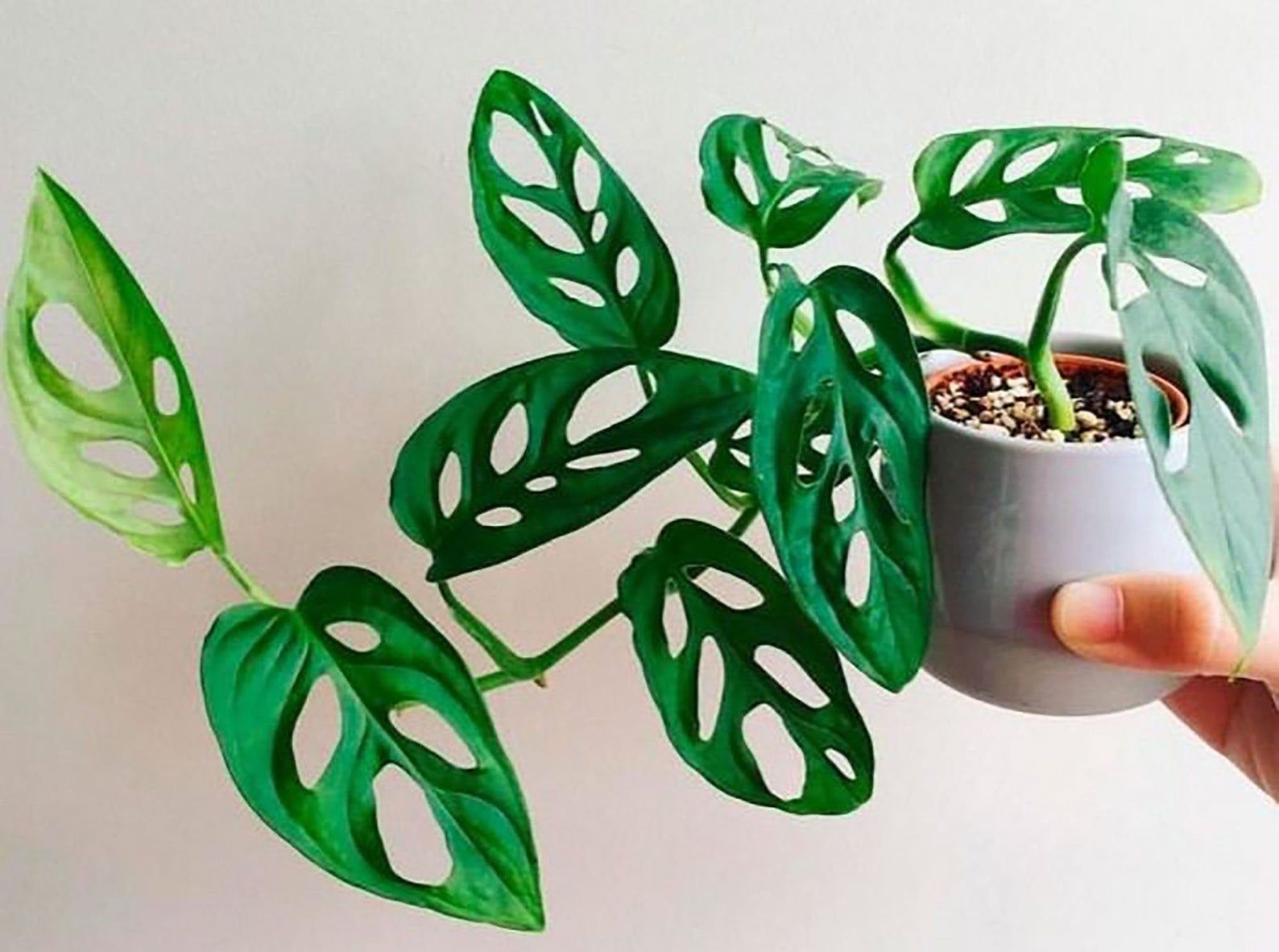
Asal muasal janda bolong. Foto: Pinterest
(2021/05/Asal-muasal-janda-bolong.jpg)Caring for ornamental plants at home is a great way to fight boredom and stress during community activity restrictions. A variety of ornamental plants can also make a home feel greener and more inviting.
The Monstera adansonii, known locally as janda bolong, is one of the favorite must-have plants for ornamental plant collectors. It went viral because of its staggering price, reaching hundreds of millions of rupiah. Janda bolong is usually grown in a pot and kept indoors as part of a room's decor. Its unique shape makes any corner of the house look more aesthetic and, of course, Instagrammable.
This plant, scientifically named Monstera adansonii, has leaves with irregular oval-shaped holes and smooth edges. Janda bolong is also known as the Swiss cheese plant. There are about 41 species in the Monstera genus, and all of them come from Central and South America.
Many people may wonder why this plant is called janda bolong, which literally means "widow with holes." Some people even think the name is inappropriate because it might hurt the feelings of women who are widows. But in fact, the name spread by accident and has nothing to do with widows at all.
The origin of the name janda bolong is quite unique and comes from the Javanese community. In Javanese, the plant is called ron phodo bolong, which means "leaves that all have holes." When said quickly, the name sounds like rondho bolong, and rondo in Javanese means widow. That's how the plant came to be widely known as janda bolong.
As reported by kompas.com on Sunday (25/4/2021), the holes in janda bolong leaves actually form through a natural mechanism. In its native habitat in the wild or in forests, this plant lives as a semi-epiphyte (a plant whose roots stay in the ground while it climbs and clings to other plants), so it is shaded by the canopies of other large trees.
To survive, the janda bolong catches sunflecks, the small beams of sunlight that pass through the canopy. This has shaped the structure of its leaves to have holes, so the same amount of leaf can cover a wider area.
So even though some sunflecks pass through the holes, the chance of catching light increases because the leaves cover a larger area. Forming holes in its leaves is the janda bolong's strategy for absorbing sunlight effectively.
The holes make the leaf's surface area smaller, which allows the plant to use the sunlight it receives more effectively and efficiently than it could with a larger, solid leaf.
Botanist Christopher Muir of Indiana University has explained why janda bolong leaves have holes. According to Muir, the holes form because of lighting conditions that let sunlight pass through the plant for photosynthesis.
However, some believe the janda bolong forms holes in its leaves to withstand strong storm winds, splitting its leaves to let the wind pass through. Others say the plant forms holes in its leaves to let water reach its roots. However, neither of these last two theories has been confirmed, so there is still a lot of speculation about why janda bolong leaves have holes.
How Janda Bolong Spread in Indonesia
Although it has long been popular in Indonesia with its unique name, the janda bolong isn't actually native to the country. It originally comes from Central America. In the past, it was very rare in Indonesia because it was mostly found in the Americas. However, among the more than 48 species of monstera, the janda bolong is one of the fastest to spread in Indonesia.
As reported by casaindonesia.com on Sunday (25/4/2021), the plant became very famous in Indonesia after a farmer in Bogor sold one to a Japanese buyer for Rp120 million. This inspired many Indonesians to start growing janda bolong and other monstera plants. Even so, it took quite a long time for the plant to spread in Indonesia because it is difficult to propagate.
That said, the janda bolong's staggering price isn't only because it's hard to propagate. According to Syariful Mubarok, a lecturer at Unpad's Faculty of Agriculture, as quoted by Pikiran Rakyat on Sunday (25/4/2021), prices reaching hundreds of millions of rupiah are simply the result of price manipulation to drive up the value of ornamental plants.
He added that the same thing happened around 2007, when the Anthurium Gelombang Cinta (wave of love) also saw a staggering price spike. As more people began producing the plant, its market price dropped sharply.
Although the janda bolong is difficult to propagate, it's fairly easy to care for. That's one of the reasons so many people love it. Besides being easy to care for, it's also resistant to many pests and diseases, as long as it's kept and cared for properly.
Besides being easy to care for and uniquely shaped, the janda bolong is a great plant to collect at home because it has many benefits, including:
- Improves Air Quality
When kept indoors, this ornamental plant can absorb various toxic substances from the air, such as benzene, formaldehyde, trichloroethylene, xylene, and ammonia. That way, the janda bolong helps clean and improve the air around it. - Refreshes Tired Eyes
Sitting near a janda bolong and enjoying the beauty of its leaves can help refresh tired eyes. Looking at green plants after hours of working in front of a computer screen can make your eyes feel fresh again. - Absorbs Chemicals
Besides refreshing your eyes, the janda bolong can also absorb chemicals that often cause headaches, dizziness, eye irritation, respiratory problems, and allergic reactions.
How to Care for Your Janda Bolong So It Stays Aesthetic
The janda bolong is a fairly easy ornamental plant to care for. Even so, there are a few things to keep in mind so your janda bolong grows healthy and keeps looking aesthetic.
- Avoid Direct Sunlight
The janda bolong doesn't need much sunlight. It does best in bright, indirect light. Direct sunlight can actually harm it, causing the leaves to wilt and turn yellow, and it can even kill the plant.
The janda bolong can survive safely even in very low light, but don't put it somewhere too dark either. If left in the dark, the plant will develop a condition called negative phototropism, in which the leaves grow toward the darkness instead of toward the light.
- Don't Overwater
Besides needing little light, the janda bolong also doesn't need to be watered often. Watering once or twice a week is enough to help it grow well. Make sure the soil is dry enough before you water it again. - Keep It in a Humid Area
Keep your janda bolong in a humid area at room temperature, about 18°C to 30°C. Avoid placing it in rooms below 15°C. - Prune It
To keep it from growing out of control, prune the plant regularly so it grows neatly and stays beautiful to look at. - Feed It with Fertilizer
Even though it's not a fussy plant, the janda bolong needs extra nutrients to grow healthy. Fertilize it regularly, at least once every two weeks. One fertilizer that works well for janda bolong and other ornamental plants is NPK Pelangi 16-16-16 from Pupuk Kaltim.
To help the plant absorb the fertilizer easily, it's best to apply it as a drench. Fill a bucket with 5 liters of water and get your NPK Pelangi 16-16-16 ready. Add 1 tablespoon of fertilizer to the 5 liters of water and stir until it dissolves. Once dissolved, use a small scoop to pour half a small scoop of the fertilizer solution onto each plant. (*)