
These Vegetable Plants Turn Out to Be Pretty Aesthetic for Your Home, Give Them a Try!
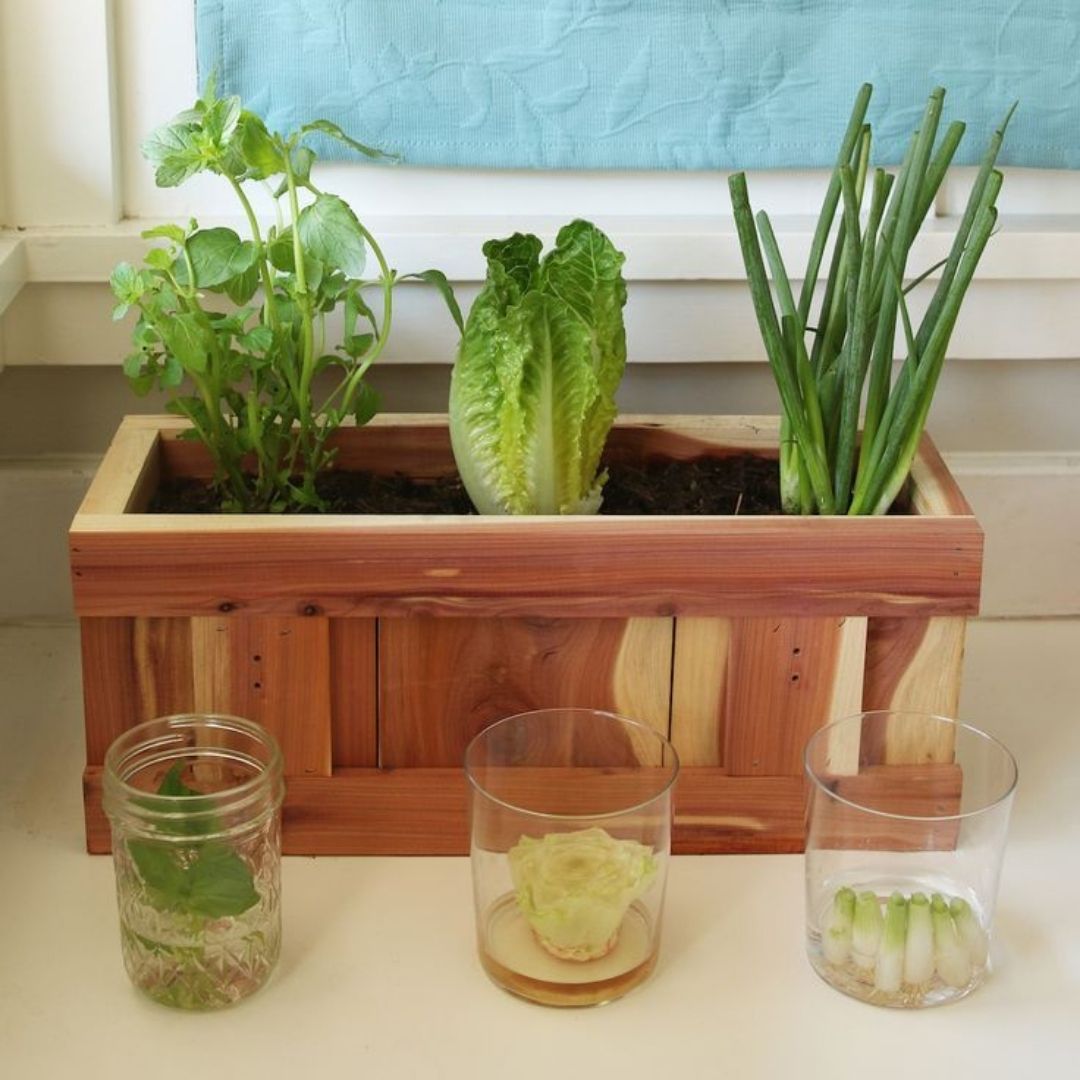
Tanaman Sayuran Ini Ternyata Cukup Aesthetic untuk di Rumah. Foto: Pinterest
(2021/05/Tanaman-Sayuran-Ini-Ternyata-Cukup-Aesthetic-untuk-di-Rumah.jpg)Rubiah (46) carefully tends the many vegetables she grows beside the kitchen of her modest apartment in Central Jakarta, where the bok choy and water spinach look ready to harvest. “I started growing these vegetables when the government first put activity restrictions in place after the COVID-19 pandemic was announced,” she said.
“Living with activity restrictions isn’t easy, especially for someone like me who lives apart from my children,” she continued. Her two daughters are in school and college in a city in Central Java.
To fill the emptiness and keep herself entertained, Mbak Rub, as the social activist is known, began growing all kinds of vegetables. “It’s not a lot, but at least it covers my daily vegetable needs,” she added.
Growing ornamental plants and vegetables has been a common sight since the early days of the pandemic, and it’s still a popular trend today. Having plants at home makes us feel more comfortable and happier to stay in.
Ornamental plants, with their beautiful leaves and flowers, aren’t the only plants that can make a home cozy. Vegetable plants can also make your home greener and more comfortable, and you can eat them too.
Vegetables growing in a home yard are already a common sight. But growing them along your windowsills adds even more aesthetic value to your home and makes it a place you’ll love spending time in.
Watching green vegetables grow lush and bear colorful fruit, like tomatoes turning from green to orange and then red, is sure to boost the happy hormones of everyone in the house.
So which vegetable plants can make your home look aesthetic? According to liputan6.com, here are some recommended plants.
- Scallions
Scallions are one of the most popular seasonings or vegetables. You can use them in soups, soto, and other dishes, mix them into green chili sambal, or use them as a garnish for all kinds of savory foods.
Most of us probably keep scallions in the fridge so they last a few days. Now try this instead: save the scallion roots and put them in a glass of water. Then place the glass in a room with plenty of light, and the scallions will grow back within a few days.
- Garlic
If you leave garlic sitting for long enough, sprouts will appear from the tip of the clove. Once they start to appear, put the garlic in a glass with a little water. The sprouts can also be used as an extra ingredient in pasta, salads, and other dishes. - Bok Choy
Put the bok choy roots in water and place them in a room with plenty of light. Leave them for 1–2 weeks, then move them to a pot with soil. Then wait for the baby bok choy to appear. - Carrots
Cut off the tops of the carrots and place them on a plate with a little water. Put the plate in a bright room or by a window. - Basil
Put basil sprigs with stems about 7–10 cm long in a glass of water. Then place the glass somewhere that gets direct sunlight. Keep adding water so the basil doesn’t get slimy. Once the roots grow to about 5 cm, move the basil to a pot with soil, and it will grow thick and lush. - Celery
Cut off the bottom of the celery and place it in a shallow bowl or on a plate, then put it somewhere that gets enough sunlight. The leaves will soon thicken. After 3 days, move it to a pot with soil. - Water Spinach
This vegetable makes a tasty dish even when it’s simply stir-fried with shallots, garlic, and chili, and it’s delicious with hot rice. It turns out it’s easy to grow, too.
Water spinach is usually sold with its roots. Cut off the stems with roots attached and place them in a container of water. Wait a few days and new shoots will grow.
How to Care for Them
After the early growth stages described above, move the vegetable plants into soil so they can grow normally and healthily.
Caring for these vegetables, which are horticultural plants, is no different from caring for them in general. Pay close attention to the plants’ nutrient needs and make sure they get enough.
Water is the most basic need for vegetables to grow and develop, whether you grow them at home or in a garden. However, water only as much as they need so the soil stays moist but not soggy, and make it part of your daily routine.
Another important step is applying fertilizer to make your plants more productive. Choosing the right fertilizer is key to caring for your plants, even if you only grow them at home.
Vegetable plants need a compound fertilizer to help them grow healthy and productive. NPK Pelangi with a 16-16-16 composition is the right fertilizer for vegetables and other horticultural plants.
This fertilizer from PT Pupuk Kaltim is also very easy to apply. Just put it into the soil and cover it back up. This method has been proven to boost vegetable productivity.
This commercial fertilizer from a subsidiary of Pupuk Indonesia is also easy to get, since it’s sold in traditional markets and on online marketplaces. So don’t wait any longer. Let’s start growing vegetables at home. It’s easy, and it’s definitely cheap!