
What Fertilizer Does Maudy Koesnaedi Use for Her Expensive Plant Collection?
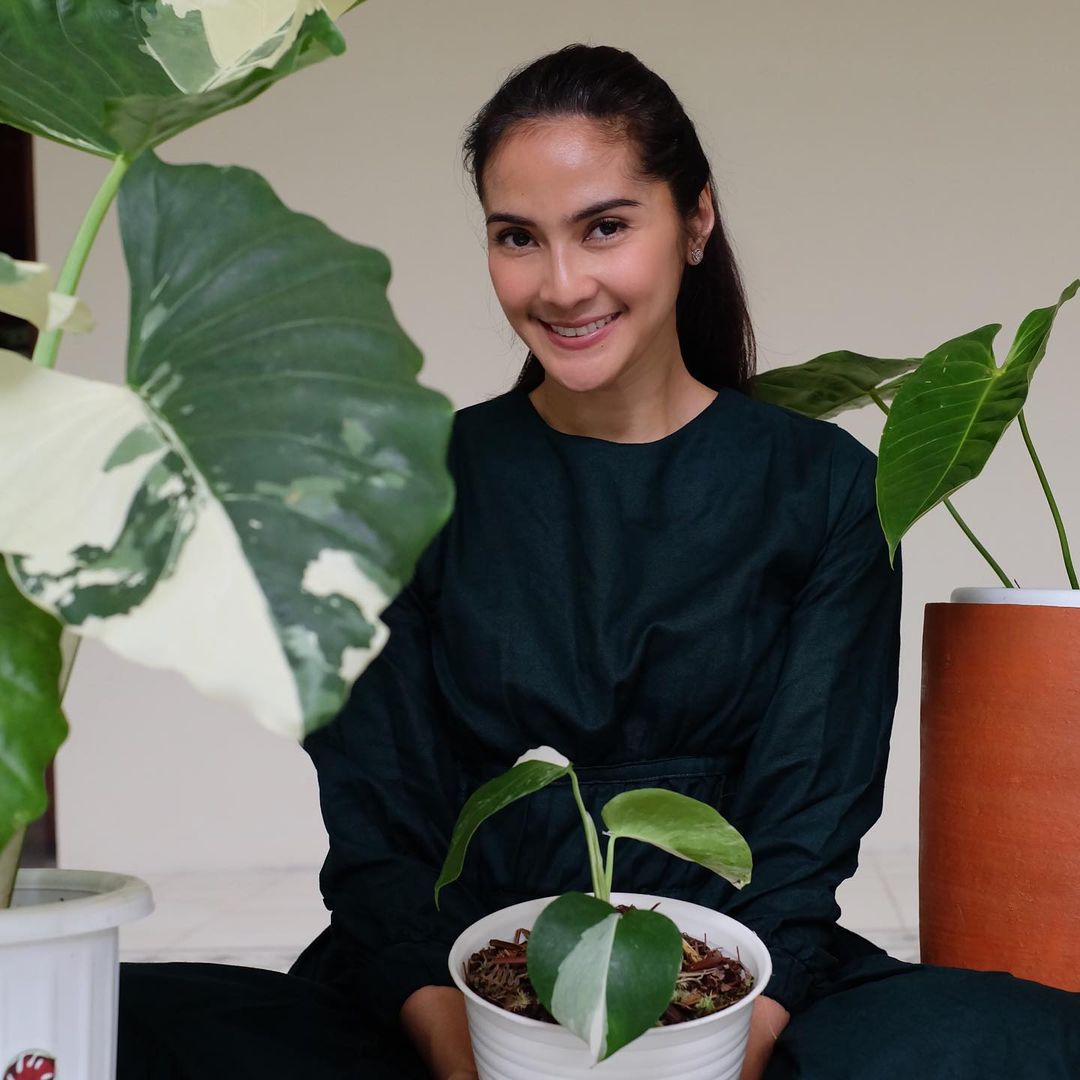
Pupuk untuk Koleksi Tanaman Mahal Milik Maudy Koesnaedi
(2021/05/Pupuk-untuk-Koleksi-Tanaman-Mahal-Milik-Maudy-Koesnaedi.jpg)Known for playing Zaenab, an innocent young woman in the TV series created by Rano Karno, Maudy Koesnaedi began her career as a film and TV star after being crowned None Jakarta in 1993.
At the time, everyone knew Zaenab, the Betawi woman set up to marry Si Doel, played by Rano Karno, because the series aired every day on a private TV station.
This first TV role turned out to be the start of a successful career in film and television for the Sundanese actress, born in 1975. She later went on to work as a producer on several films and theater productions.
Maudy now has a teenage son, Eddy Maliq Meijer, with her husband, Frederik Johannes Meijer, who is of Dutch, Danish, Scottish, and Irish descent.
The multitalented actress often posts photos on social media of the many pricey ornamental plants in her lush, green home.
Maudy's Expensive Plant Collection
The plants in Maudy's collection are quite expensive and highly sought after, from the Monstera King to the Philodendron Dark Lord.
According to era.id, here are 5 of Maudy Koesnaedi's expensive and beautiful ornamental plants.
- Monstera King
The Monstera King sits in a corner of the house. This plant makes a great backdrop for photos, and plant decor like the Monstera King makes a home feel even warmer. The Monstera King is expensive because it is rare, has uniquely colored leaves, and is hard to propagate. - Philodendron and Aglaonema
Philodendrons and Aglaonemas can be seen decorating Maudy Koesnaedi's home. The Philodendron sits in a black pot inside a woven bamboo planter. At the back of the house, right beside the door, she has placed several types of Aglaonema. - Philodendron Dark Lord
With its exotic blackish-green color, the Philodendron Dark Lord could be another option. This type of Philodendron has red leaf stalks. She keeps her Philodendron Dark Lord in a unique round wooden pot with legs that look like a chair. - Calathea Lutea
A Calathea Lutea, with leaves that look like banana leaves, decorates a corner of her garden. This plant provides shade in Maudy's small garden. Various ornamental plants such as Philodendrons also sit on the ground. - Bird's Nest Fern
Bird's Nest Ferns decorate the floor of her front porch. She keeps the ferns in earthenware pots alongside other plants such as the Calathea Lutea. The Bird's Nest Fern grows thick and lush, as does the Calathea Lutea placed in the corner of the garden.
How to Care for the Bird's Nest Fern, One of Maudy's Expensive Plants, Starting with the Right Fertilizer
Kadaka, or Asplenium Scorpio by its Latin name, is a popular and expensive ornamental plant. Kadaka is a type of fern commonly found in cool, humid areas. It usually grows attached to tree trunks, but it can also live in a pot.
This plant is one of the most popular ornamental plants. Some people even call it the bird's nest fern. People love it for its unique light green leaves that spread out in every direction. When grown in a pot, the kadaka's leaves spread in all directions, much like the wave of love (gelombang cinta) plant.
This ornamental plant adapts easily to different environments and is fairly easy to care for. If you'd like to own and care for one, here are tips from brilio.net on how to plant and care for kadaka so it stays healthy and beautiful.
Growing kadaka from seed is very easy. The seedlings come from spores produced by the kadaka plant itself, and these spores grow into new kadaka, or bird's nest fern, plants.
Prepare a growing medium to plant the spores in. Before sowing the spores, moisten the medium until it is damp. Then sprinkle the spores evenly over the prepared medium.
Next, cover the container with plastic to keep it humid. Leave it for a few days and the spores will sprout. After that, you can move them into a polybag or pot. You can use charcoal, coconut fiber, or chopped fern as the growing medium.
- Choose the right spot.
Kadaka is a shade plant that cannot handle direct sunlight. The leaves of the bird's nest fern are bright green, and if they are exposed to sunlight, they will turn yellow and die. That's why this plant should be kept in a shady, humid spot so it can thrive. This fern is often grown for its crinkled leaves, and the amount of light it gets affects how crinkled the leaves become. - Watering.
The plant needs the right care to keep its unique features. A lack of water and nutrients can cause the curly leaves to fade and go back to being straight. Water it once every 3 days. Too much fertilizer can also damage the leaves, leaving brown or yellow spots. Choose a porous medium, such as fern and calliandra in a 4:1 ratio. The calliandra provides nutrients. - Fertilizing.
Choosing the right fertilizer and applying it correctly at the right time is another great way to help this fern grow well. Like other ferns, kadaka is prone to pests and diseases such as mealybugs. That's why fertilizing is highly recommended.
As gardening becomes more popular, so do plant fertilizer products. One of them is NPK fertilizer, a chemical fertilizer that contains nitrogen, phosphorus, and potassium. PT Pupuk Kaltim is known as a producer of the best NPK fertilizer, NPK Pelangi. For ornamental plants, NPK Pelangi with a 16-16-16 composition is usually used.
NPK fertilizer should be applied properly and correctly. If it isn't, it can damage the plant. The plant may wilt, get scorched or burned, or even die.
Here's how to apply NPK Pelangi fertilizer correctly: dissolve 10 grams of NPK fertilizer in 1 liter of water. To make it easier, pour 1 liter of water into a bucket, then add 10 grams of NPK Pelangi fertilizer. 10 grams is a little more than half a tablespoon. Stir the water and fertilizer until fully dissolved. Then use a small cup to pour the solution onto the plant.
Apply the fertilizer once a month. Don't do it too often, or instead of helping your plant grow, you'll end up damaging it.