
Why Buy It? Let's Grow Ginger at Home!
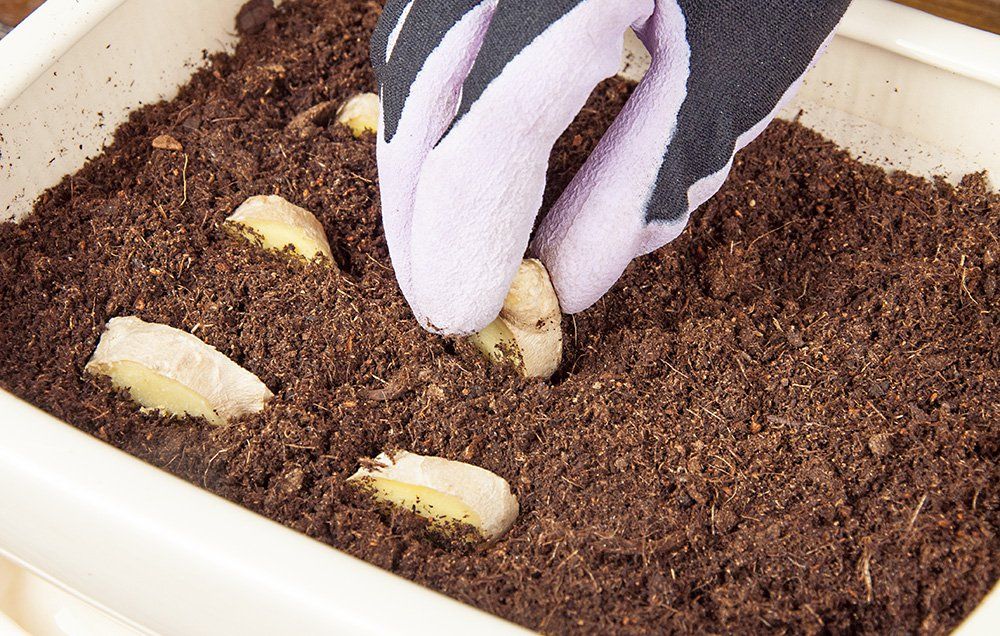
Tanam Jahe di Rumah. (Foto: TOEYTOEY2530/GETTY IMAGES
(2021/05/Tanam-Jahe-di-Rumah.jpg)The Covid-19 pandemic has made many people more aware of the importance of living a healthy lifestyle to strengthen their immune system. Healthy living has become a trend, from eating vegetables and fruit and working out at home to drinking herbal remedies. One of the most sought-after herbal ingredients during the Covid-19 pandemic is ginger.
Some herbal drinks made with ginger include ginger tea, jamu or empon-empon, and wedang jahe. Ginger's warm, slightly spicy kick makes your body feel warmer. Ginger drinks are great for soothing an itchy throat and warming you up at night or when you're feeling unwell.
Ginger is a spice plant with the Latin name Zingiber officinale. Ginger grows as a rhizome, a plant whose stem spreads underground and produces new shoots and roots at each node. Ginger comes from the Asia-Pacific region, specifically mainland India and China.
Based on its type, shape, rhizome size, and color, ginger is divided into three types: large white ginger, small white ginger, and red ginger. Ginger can be grown on land 200–600 meters above sea level with average rainfall of 2,500–4,000 mm per year. However, in Indonesia, ginger is usually grown in home yards.
Benefits of Ginger
Ginger has been shown to have many health benefits. It contains nutrients such as calories, carbohydrates, fiber, protein, fat, and sugar. Ginger also contains many vitamins and minerals that are good for the body, such as iron, potassium, vitamins B3 and B6, vitamin C, magnesium, phosphorus, zinc, folate, riboflavin (vitamin B2), and niacin (vitamin B3). It's no wonder ginger is considered a medicinal plant. Here are some of the benefits of ginger, summarized from halodoc.com.
- Anti-Aging and Anti-Cancer
Ginger has anti-inflammatory and antioxidant properties that can help slow the aging process. This herbal plant also has antimicrobial potential that may help treat infectious diseases. Ginger is even said to help prevent various cancers. However, one thing needs to be emphasized. According to the journal mentioned above, although ginger's anticancer potential is well documented, more research is needed before its effectiveness against cancer can be claimed. - Relieves Menstrual Pain
Drinking ginger water regularly can help reduce menstrual pain. Several studies have shown that consuming ginger can relieve menstrual pain in women. Its effects are even said to be similar to those of ibuprofen and mefenamic acid. To get this benefit, try drinking at least four glasses of ginger water. Drink it during the first two days of your period. - Lowers Blood Glucose and Cholesterol
According to a journal on the benefits of ginger in the US National Library of Medicine, National Institutes of Health, regularly consuming ginger can significantly lower blood glucose. On top of that, regular ginger consumption can also lower LDL cholesterol (bad fat) and triglycerides, while raising HDL (good fat). - Strengthens the Immune System
Consuming ginger regularly can also strengthen your immune system, so you don't get sick as easily. Ginger is rich in vitamin C and magnesium, which help the body strengthen its immune system. Besides these two nutrients, ginger also contains gingerols, shogaols, and zingerones, which act as antioxidants in the body. - Fights Bacterial and Viral Infections
Ginger can also help the body fight certain bacterial and viral infections. The gingerol in ginger is believed to inhibit bacterial infections such as shigella, E. coli, and others. Drinking ginger regularly can also help with colds and flu. - Relieves Muscle Pain
According to a study from the University of Georgia in the United States, ginger has anti-inflammatory effects that can also help reduce muscle pain. However, many sources say that relieving muscle pain is a benefit of red ginger specifically. In the study, researchers had 74 people do several types of exercise. The participants were divided into two groups: one given ginger supplements and one given only sugar pills. The results showed that post-workout muscle pain in the first group was 25% milder than in the second group. - Relieves Nausea in Pregnant Women
According to a study from the Royal College of Obstetricians and Gynaecologists, ginger helps relieve morning sickness, or nausea in early pregnancy. Ginger root extract has been used for more than two thousand years to relieve digestive symptoms such as nausea, vomiting, constipation, bloating, and burping. - Treats Digestive Problems
Another benefit of red ginger is that it can treat and prevent digestive problems. Ginger oil extract is believed to relieve stomach aches because of its antibacterial properties. Digestive problems are usually caused by harmful bacteria entering the body, so ginger works well as a counter to them.
How to Plant and Care for Ginger in a Polybag
Now that you know the many benefits of ginger, it's a good idea to keep some at home. Ginger is easy to grow, so instead of buying it, you can grow it yourself at home. You don't need a lot of space, since you can grow ginger in a polybag. Here's how to plant and care for ginger in a polybag at home.
- Choose the Type of Ginger to Plant
First, decide which type of ginger you want to grow. There are three types of ginger commonly used as a spice or medicine. To avoid mixing them up, here are the features of each:
Large white ginger has yellowish-white rhizomes measuring 8–8.5 cm;
Small white ginger has layered, yellowish-white rhizomes measuring 3–4 cm;
Red ginger has layered, red or light orange rhizomes with a strong smell, measuring 4–4.5 cm. - Preparing the Seed Rhizomes
Once you've chosen the type of ginger, the next step is preparing the seed rhizomes. Choose ginger rhizomes that are plump with smooth skin. Generally, good rhizomes for planting are at least 10 months old. Soak the rhizome in warm water overnight. Then place it on soil until it sprouts. Keep it somewhere dry and out of direct sunlight. - Moving the Seedlings to the Growing Medium
Prepare a growing medium of soil mixed with organic fertilizer in a 1:1 ratio. Once the shoots are 1–2 cm long, you can move the sprouted rhizomes to the growing medium. First, cut the rhizome into small pieces. Each piece can have a few shoots. Then plant the pieces 5–10 cm deep in the soil. - Caring for Your Ginger Plant
To help your ginger grow well, keep the pot out of direct sunlight and place it somewhere with a temperature of 24–30 degrees Celsius. A cold environment will only slow its growth and may even stop the seedlings from growing.
Water your ginger every day with just enough water. Don't let water pool, or the ginger may rot.
- Harvesting
Red ginger is ready to harvest after about 10 months. A mature plant that's ready to harvest has gone through a drying phase, when its leaves and stems turn yellow and dry out.
Harvesting ginger grown in a polybag is very easy, because you don't have to dig. Just tear open the polybag, which will have started to break down by then. Rinse the harvested ginger under running water, then dry it. Your ginger is ready to use.
See how easy it is to grow ginger in a polybag? Have fun trying it at home! (*)